
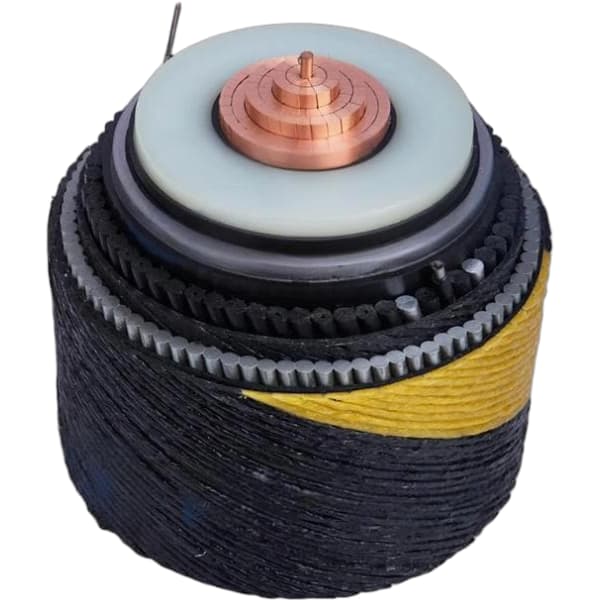
115kV XLPE 케이블 소개
현대 전기 인프라에는 신뢰성이 필요합니다., 효율적인, 오래 지속되는 동력 전달 시스템. 도시가 계속 확장되고 전 세계적으로 재생 가능 에너지 프로젝트가 증가함에 따라, 지하 고전압 케이블 시스템은 그 어느 때보다 중요해졌습니다.. 이러한 솔루션 중에서, 115kV XLPE 케이블은 우수한 전기적 성능과 작동 안정성을 널리 인정받고 있습니다..
기존의 종이 절연 케이블이나 오일 충전 케이블과 달리, XLPE 절연 케이블은 더 나은 내열성을 제공합니다., 낮은 유지 보수 요구 사항, 향상된 환경 보호. 따라서, 유틸리티 회사, EPC 계약자, 재생 가능 에너지 개발자, 및 산업 시설에서는 중대용량 전송 네트워크에 115kV XLPE 케이블을 점점 더 많이 선택하고 있습니다..
많은 국가에서, 지하 송전 프로젝트는 도시 환경의 가공선을 대체하고 있습니다.. 결과적으로, 고품질 115kV XLPE 케이블 시스템에 대한 수요가 계속해서 빠르게 증가하고 있습니다..
115kV XLPE 케이블이란??
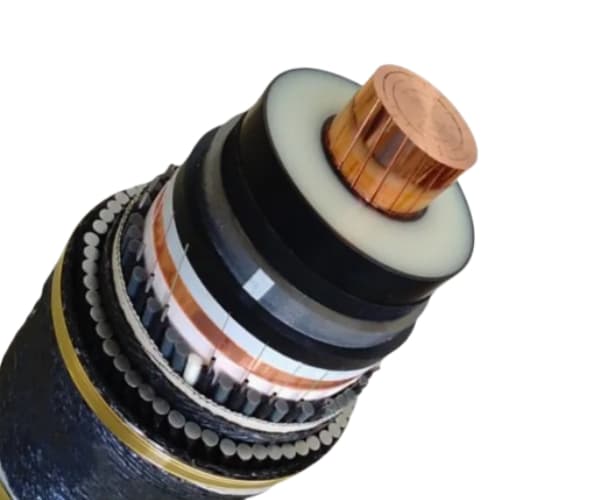
115kV XLPE 케이블은 가교 폴리에틸렌 소재로 절연된 고전압 전력 케이블입니다.. 케이블은 69/115kV 또는 64/110kV 전압 등급에서 작동하는 전기 전송 시스템용으로 설계되었습니다..
XLPE 절연체는 유전 특성이 우수하기 때문에, 높은 전기적 스트레스 조건에서 효율적으로 작동합니다.. 게다가, 이 소재는 습기에 대한 탁월한 저항력을 제공합니다., 열 노화, 화학적 부식.
오늘, 115kV XLPE 케이블은 일반적으로 다음 위치에 설치됩니다.:
- 도시 지하 전송 시스템
- 재생 가능 에너지 프로젝트
- 산업용 변전소
- 철도 전기 시스템
- 공항 인프라
- 채굴 작업
- 석유 및 가스 시설
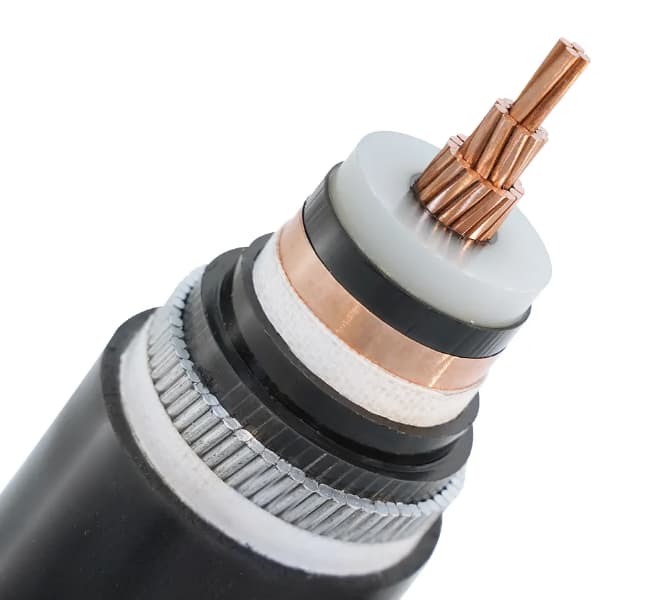
115kV XLPE 케이블의 주요 구조
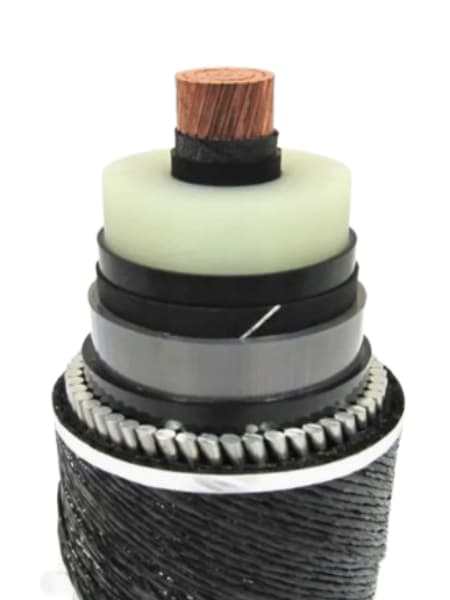
최신 고전압 케이블은 세심하게 설계된 여러 레이어로 구성됩니다.. 각 레이어는 특정 전기적 또는 기계적 기능을 수행합니다..
일반적인 케이블 구성
| 요소 | 주요 기능 |
|---|---|
| 지휘자 | 전류를 운반합니다 |
| 지휘자 화면 | 전기적 스트레스를 제어합니다. |
| XLPE 단열재 | 주요 절연체 |
| 절연 스크린 | 균일한 전기장 분포 |
| 금속 스크린 | 오류 전류 복귀 경로 |
| 물 차단층 | 물 침투를 방지합니다. |
| 침구 층 | 기계적 쿠셔닝 |
| 장갑 | 기계적 보호 |
| 외부 칼집 | 환경 보호 |
뿐만 아니라, 제조업체는 설치 조건 및 고객 요구 사항에 따라 구조를 맞춤화할 수 있습니다..
115kV XLPE 케이블의 장점
뛰어난 열 성능
XLPE 절연을 통해 케이블이 고온에서도 안전하게 작동할 수 있습니다..
일반적인 온도 등급은 다음과 같습니다.:
| 작동 조건 | 온도 |
|---|---|
| 정상 작동 | 90℃ |
| 비상 과부하 | 130℃ |
| 단락 | 250℃ |
그러므로, XLPE 케이블은 많은 기존 케이블 시스템보다 더 많은 전류를 전송할 수 있습니다..
낮은 전기 손실
XLPE 절연체의 유전 손실은 상대적으로 낮습니다.. 따라서, 장거리 전력망에서 전송 효율이 크게 향상됩니다..
더 긴 서비스 수명
올바르게 설치하고 유지 관리하는 경우, 115kV XLPE 케이블 시스템은 30 에게 40 연령. 게다가, 변동하는 부하 조건에서도 절연 구조가 안정적으로 유지됩니다..
유지 관리 요구 사항 감소
오일 충전 케이블 시스템에는 복잡한 압력 모니터링 장비가 필요한 경우가 많습니다.. 하지만, XLPE 케이블을 사용하면 유체 유지 관리 시스템이 필요하지 않습니다., 운영 비용이 크게 절감됩니다..
115kV XLPE 케이블에 대한 국제 표준
고전압 케이블은 안전하고 안정적인 작동을 보장하기 위해 엄격한 국제 표준을 준수해야 합니다..
IEC 표준
| 기준 | 설명 |
|---|---|
| IEC 60840 | 30kV 이상 ~ 150kV의 전원 케이블 |
| IEC 62067 | 초고압 케이블 시스템 |
| IEC 60228 | 절연 케이블의 도체 |
| IEC 60502 | 전원 케이블 절연 요구 사항 |
| IEC 60229 | 외피 테스트 |
미국 표준
| 기준 | 설명 |
|---|---|
| ICEA S-108-720 | 차폐 전원 케이블 표준 |
| AEIC CS9 | 압출 유전체 케이블 사양 |
| IEEE 48 | 케이블 종단 |
| IEEE 404 | 케이블 조인트 |
| ASTM 표준 | 도체 재료 표준 |
많은 국제 프로젝트에는 여러 인증이 필요하기 때문에, 제조업체는 종종 IEC 및 IEEE 사양에 따라 케이블을 생산합니다..
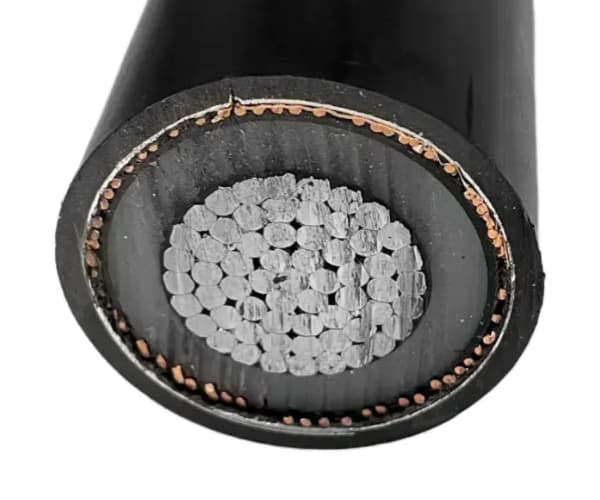
구리 및 알루미늄 도체
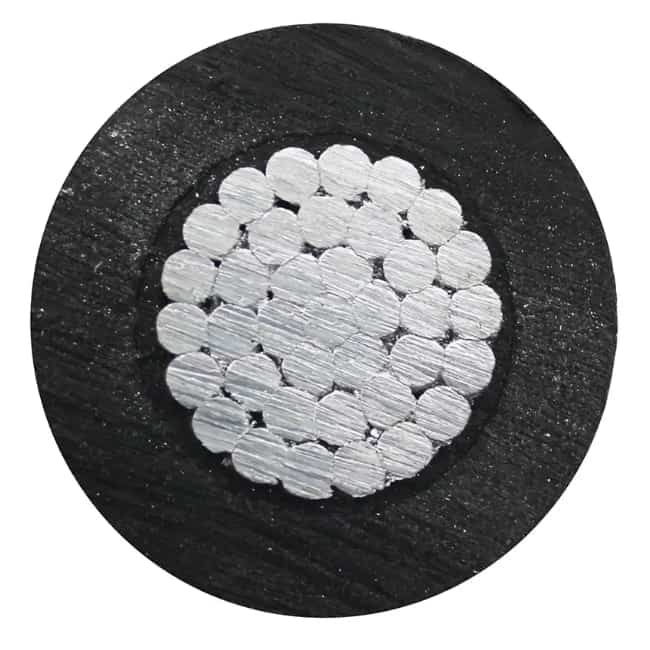
올바른 도체 재료를 선택하는 것은 케이블 시스템 설계의 중요한 부분입니다..
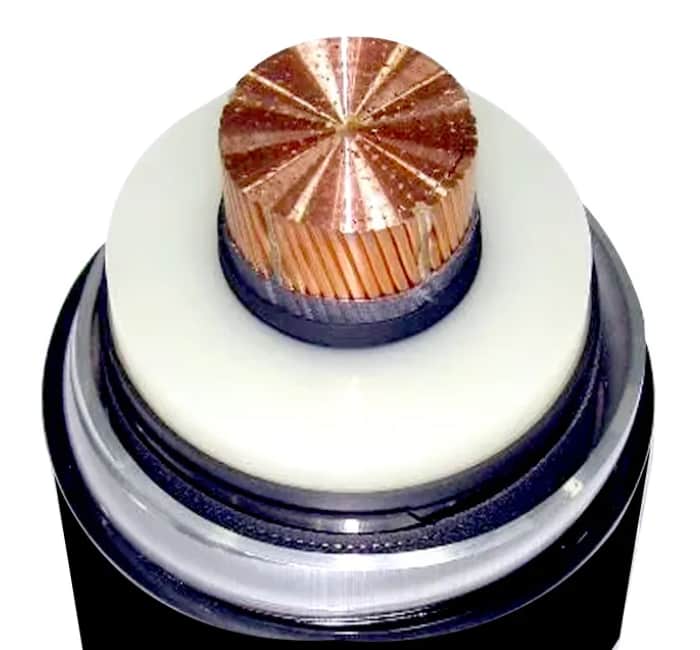
구리 도체
구리 도체는 다음을 제공합니다.:
- 더 높은 전도성
- 전송 손실 감소
- 더 나은 기계적 강도
- 더 작은 도체 직경
결과적으로, 구리는 소형 지하 시스템 및 대도시 변전소에 널리 사용됩니다..
알루미늄 도체
알루미늄 도체는 여러 가지 경제적 이점을 제공합니다..
이러한 장점은 다음과 같습니다:
- 재료비 절감
- 케이블 무게 감소
- 더 쉬운 운송
- 낮은 설치 장력
그러므로, 유틸리티 규모의 전송 프로젝트에서는 장거리 네트워크용으로 알루미늄 도체를 선택하는 경우가 많습니다..
12AWG부터 1000MCM까지의 미국 표준 크기
북미 시장에서는 일반적으로 AWG 및 MCM 도체 크기 조정 시스템을 사용합니다..
AWG 및 MCM 크기 표
| AWG/MCM 크기 | 단면적 mm² |
|---|---|
| 12 AWG | 3.31 |
| 10 AWG | 5.26 |
| 8 AWG | 8.37 |
| 6 AWG | 13.3 |
| 4 AWG | 21.1 |
| 2 AWG | 33.6 |
| 1 AWG | 42.4 |
| 1/0 AWG | 53.5 |
| 2/0 AWG | 67.4 |
| 3/0 AWG | 85 |
| 4/0 AWG | 107.2 |
| 250 MCM | 126.7 |
| 300 MCM | 152 |
| 350 MCM | 177.3 |
| 400 MCM | 202.7 |
| 500 MCM | 253.4 |
| 600 MCM | 304 |
| 750 MCM | 380.1 |
| 800 MCM | 405.4 |
| 1000 MCM | 506.7 |
50mm² ~ 3000mm²의 IEC 도체 크기
많은 국제 전송 프로젝트는 IEC 미터법 도체 표준을 따릅니다..
IEC 미터법 크기 표
| IEC 크기 | 일반적인 응용 |
|---|---|
| 50 mm² | 배광 시스템 |
| 70 mm² | 산업용 네트워크 |
| 95 mm² | 상용전원 |
| 120 mm² | 도시분포 |
| 150 mm² | 중하중 변속기 |
| 185 mm² | 유틸리티 시스템 |
| 240 mm² | 변전소 연결 |
| 300 mm² | 지하송전 |
| 400 mm² | 산업 인프라 |
| 500 mm² | 발전 프로젝트 |
| 630 mm² | 재생 에너지 시스템 |
| 800 mm² | 대용량 전송 |
| 1000 mm² | 유틸리티 전력망 |
| 1200 mm² | 대형 변전소 |
| 1400 mm² | 고부하 시스템 |
| 1600 mm² | 중공업 프로젝트 |
| 2000 mm² | 주요 전송 회로 |
| 2500 mm² | 초대용량 시스템 |
| 3000 mm² | 대규모 유틸리티 인프라 |
115kV 케이블의 전기적 특성
일반적인 기술 매개변수
| 매개변수 | 값 |
|---|---|
| 정격전압 | 69/115케이 V |
| 최대 시스템 전압 | 123케이 V |
| 빈도 | 50헤르츠 / 60헤르츠 |
| 최대 도체 온도 | 90℃ |
| 단락 온도 | 250℃ |
| 번개 충격 전압 | 550케이 V |
| AC 테스트 전압 | 230케이 V |
추가적으로, 제조업체는 현지 그리드 요구 사항에 따라 케이블 매개변수를 맞춤화할 수 있습니다..
115kV XLPE 케이블 설치 방법
직접 매설 설치
직접 매설은 가장 경제적인 설치 방법 중 하나입니다.. 일반적으로, 케이블은 모래 침구와 보호 경고 테이프가 있는 트렌치 내부에 배치됩니다..
덕트 설치
도시 인프라 프로젝트에서는 향후 유지 관리 접근이 더 쉬워지기 때문에 덕트 시스템을 사용하는 경우가 많습니다..
게다가, 덕트 설치로 추가적인 기계적 보호 제공.
터널 설치
대도시와 유틸리티 회사에서는 중요한 전송 시스템에 케이블 터널을 자주 사용합니다..
이 방법은:
- 간편한 검사
- 더 나은 열 방출
- 단순화된 유지보수
- 다중 회로를 위한 공간
115kV XLPE 케이블의 일반적인 응용
재생 가능 에너지 프로젝트
태양광 발전소와 풍력 발전소에서는 생성된 전력을 주 전력망에 연결하기 위한 안정적인 송전 시스템이 필요합니다..
따라서, XLPE 고전압 케이블은 재생 에너지 인프라에 널리 사용됩니다..
산업시설
중공업에서는 지속적인 고용량 전원 공급이 필요합니다.. 그러므로, 많은 공장에서는 신뢰성을 향상시키기 위해 지하 115kV 송전 시스템을 설치합니다..
교통 인프라
현대 교통 시스템도 고전압 케이블 네트워크에 의존합니다..
일반적인 응용 프로그램은 다음과 같습니다:
- 공항
- 지하철 시스템
- 철도 전기화
- 항구 터미널
115kV 시스템에 사용되는 케이블 액세서리
완전한 고전압 케이블 시스템에는 특수 액세서리가 필요합니다.
주요 액세서리
| 종범 | 기능 |
|---|---|
| 실외 종료 | 변전소 연결 |
| GIS 종료 | GIS 장비에 연결 |
| 스트레이트 조인트 | 케이블 연결 |
| 절연 조인트 | 전기 절연 |
| 링크박스 | 접지관리 |
적절한 액세서리가 없으면, 케이블 시스템이 안전하거나 효율적으로 작동할 수 없습니다..
115kV 케이블 테스트 절차
제조업체는 고객에게 고전압 케이블을 제공하기 전에 여러 테스트를 수행합니다..
정기 테스트
정기 검사에는 일반적으로 다음이 포함됩니다.:
- 도체 저항 테스트
- 부분 방전 테스트
- 내전압 시험
- 치수 검증
유형 테스트
유형 테스트를 통해 장기적인 케이블 신뢰성 확인.
이러한 테스트에는 다음이 포함될 수 있습니다.:
- 번개 임펄스 테스트
- 가열 사이클 테스트
- 굽힘 테스트
- 단락 테스트
뿐만 아니라, 일부 유틸리티 프로젝트에는 상업용 설치 전에 추가 사전 인증 테스트가 필요합니다..
115kV XLPE 케이블 선택 시 중요한 요소
케이블 시스템을 선택하기 전에 몇 가지 기술적 요소를 평가해야 합니다..
전류 운반 용량
도체 크기는 필요한 전기 부하를 안전하게 지원해야 합니다..
환경 조건
엔지니어는 평가해야 합니다.:
- 토양 열저항률
- 주변 온도
- 습기
- 기계적 위험
설치환경
케이블 성능은 다음에 따라 달라질 수 있습니다.:
- 지하매장
- 덕트 설치
- 터널 시스템
- 습한 환경
적용 가능한 표준
마지막으로, 선택한 케이블은 필수 국제 표준 및 유틸리티 사양을 준수해야 합니다..
고전압 XLPE 케이블 기술의 미래 동향
인프라 투자 증가로 글로벌 초고압 케이블 시장은 지속적으로 확대. 동시에, 제조업체는 효율성과 지속 가능성을 향상시키기 위해 고급 케이블 기술을 개발하고 있습니다..
현대 혁신에는 다음이 포함됩니다.:
- 더 높은 전류용량 도체
- 환경 친화적인 외장재
- 향상된 수분 장벽
- 스마트 모니터링 시스템
- 전송 손실 감소
전력망이 더욱 복잡해짐에 따라, 안정적인 지하 케이블 시스템이 더욱 중요해질 것입니다..
115kV XLPE 케이블
115kV XLPE 케이블은 현대 지하 송전 인프라에서 가장 중요한 구성 요소 중 하나입니다.. 우수한 단열 성능 덕분에, 높은 내열성, 긴 서비스 수명, 낮은 유지 보수 요구 사항, XLPE 케이블 기술은 전 세계 유틸리티 회사 및 산업 프로젝트에서 선호되는 선택이 되었습니다..
12AWG에서 1000MCM까지의 미국 표준 도체 크기를 사용하거나 50mm²에서 3000mm²까지의 IEC 미터법 크기를 사용하는지 여부, 안정적이고 효율적인 전기 전송을 위해서는 적절한 케이블 선택이 필수적입니다..
미래에, 도시가 확장됨에 따라 고품질 115kV XLPE 케이블 시스템에 대한 수요가 계속 증가할 것입니다., 재생에너지 프로젝트가 성장하다, 글로벌 전력 인프라가 현대화됩니다..