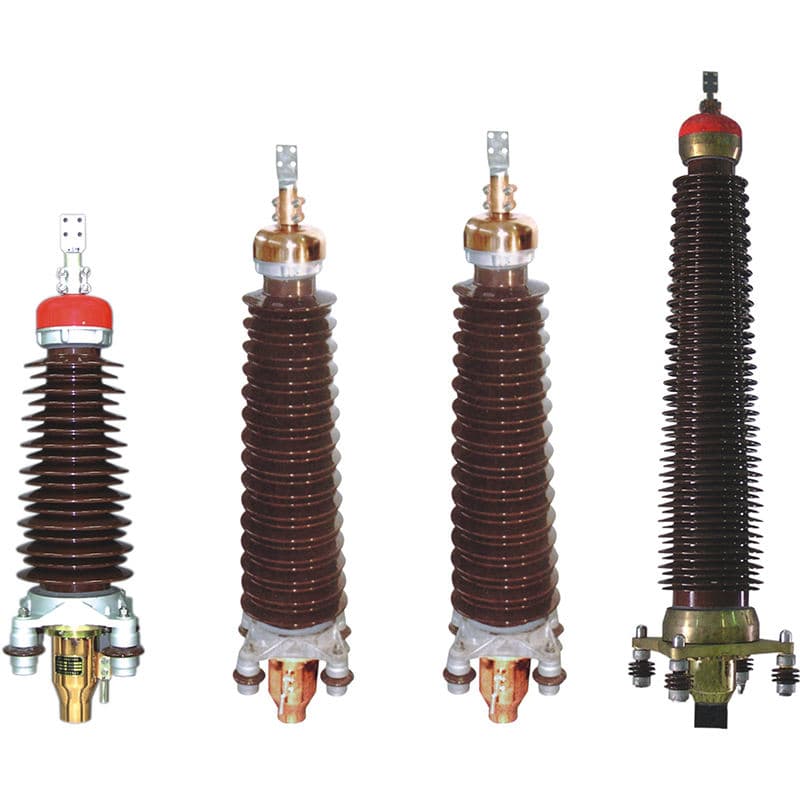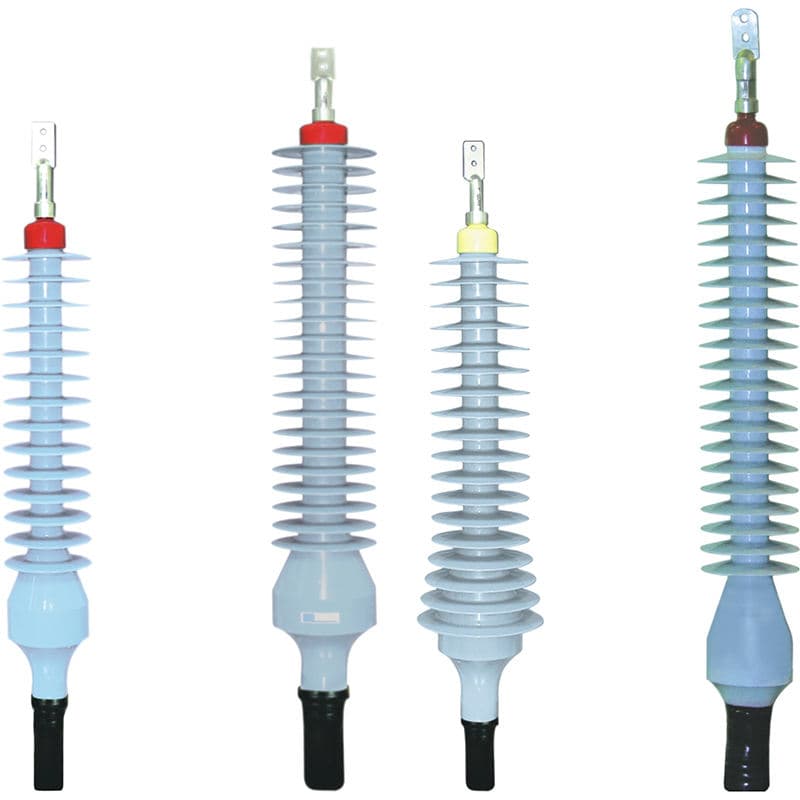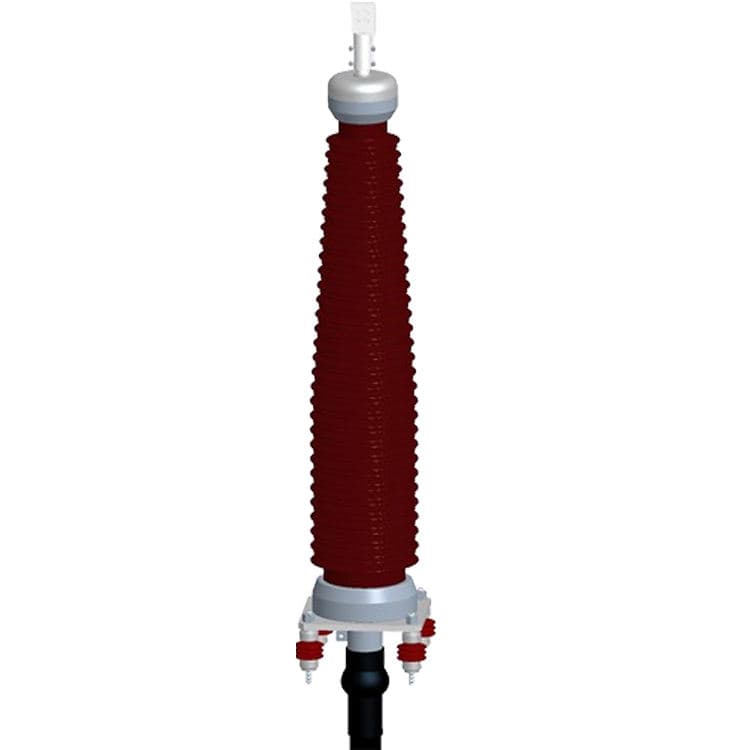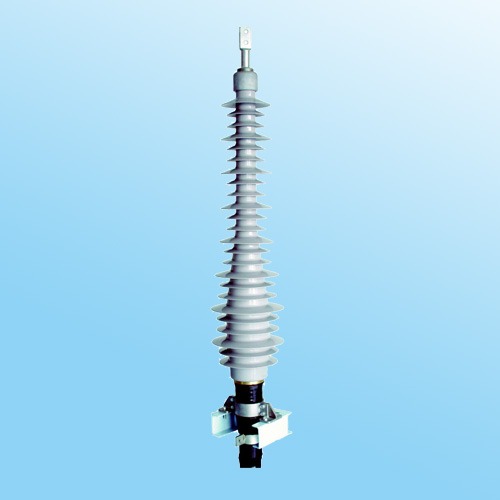
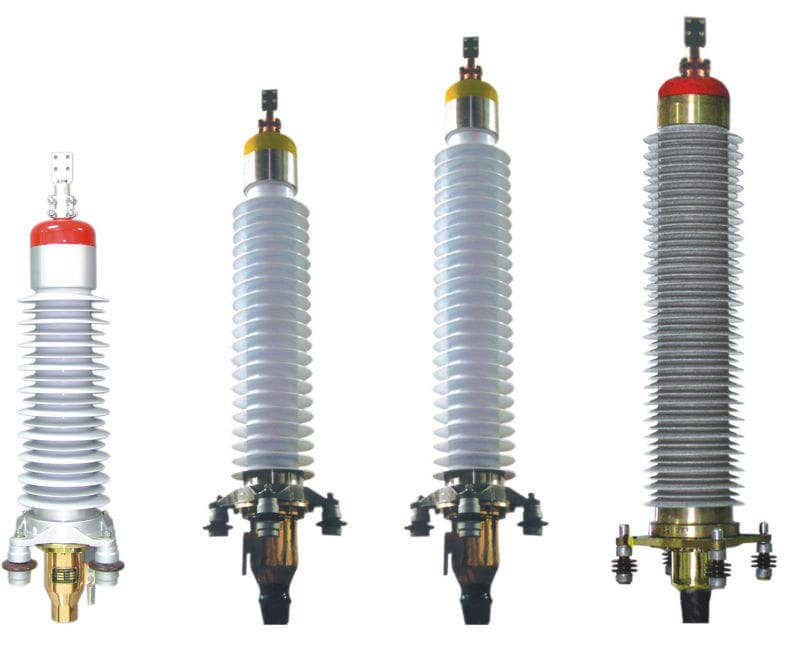
ㅏ 145kV Cable Outdoor Termination is a critical high-voltage cable accessory used to connect XLPE power cables with transformers, overhead lines, outdoor switchgear, busbars and other electrical equipment. Because the termination is installed outdoors, it must provide reliable electrical insulation while resisting rain, 습기, 자외선, 오염, salt fog and temperature changes.
For 145kV-class cable systems, outdoor terminations can generally be divided into three main types according to their external insulation and structural design:
- Porcelain Insulator Outdoor Termination
- Composite Insulator Outdoor Termination
- Dry-Type Outdoor Termination
Each type has its own advantages and is suitable for different project conditions. The selection should consider electrical performance, environmental conditions, 설치 요구 사항, 유지, transportation and total project cost.

What Is a 145kV Cable Outdoor Termination?
ㅏ 145kV Cable Outdoor Termination is installed at the end of a high-voltage underground cable to provide a safe and reliable transition from the cable insulation system to external electrical equipment.
A typical XLPE high-voltage cable consists of a conductor, 지휘자 스크린, XLPE 단열재, 절연 스크린, metallic screen or sheath and outer sheath. At the cable end, these layers must be carefully prepared and connected to the termination.
One of the most important functions of a 145kV cable termination is electric-field control.
When the semiconductor insulation screen is removed from the cable end, the electric field can become concentrated around the end of the screen. 적절한 스트레스 조절이 이루어지지 않은 경우, this concentration may cause partial discharge and accelerate insulation aging.
그러므로, a high-quality 145kV XLPE cable outdoor termination incorporates a carefully designed stress-control system to provide a smooth electric-field distribution.
Three Main Types of 145kV Outdoor Terminations
1. Porcelain Insulator Outdoor Termination
그만큼 Porcelain Insulator Outdoor Termination is a traditional solution for high-voltage and extra-high-voltage cable systems.
The external insulation is made primarily from porcelain. Porcelain has been used for electrical insulation for many decades and has proven mechanical strength and long-term outdoor performance.
A typical porcelain outdoor termination includes:
- Porcelain insulating housing
- Internal stress-control system
- Conductor connection
- Sealing components
- Metallic flange
- Cable grounding connection
- Weather sheds
The porcelain housing provides the external insulation distance between the energized conductor and ground.
One important advantage of porcelain is its excellent mechanical strength. It can withstand mechanical loads and harsh outdoor conditions when properly designed.
Porcelain terminations can be suitable for substations, transmission projects and other installations where a conventional and well-established insulation technology is preferred.
하지만, porcelain is relatively heavy and fragile compared with polymeric materials. Transportation and installation therefore require additional care, especially for large high-voltage terminations.
The weight of a porcelain termination may also increase the requirements for supporting structures and lifting equipment.

2. Composite Insulator Outdoor Termination
The second major type is the Composite Insulator Outdoor Termination.
Unlike a porcelain termination, a composite outdoor termination normally uses a fiberglass-reinforced insulating core combined with a silicone rubber external insulating housing.
Silicone rubber provides several important advantages for outdoor applications.
Its hydrophobic surface helps reduce the formation of continuous conductive water films under wet and polluted conditions. This can improve the surface insulation performance of the termination in environments with rain, dust or salt contamination.
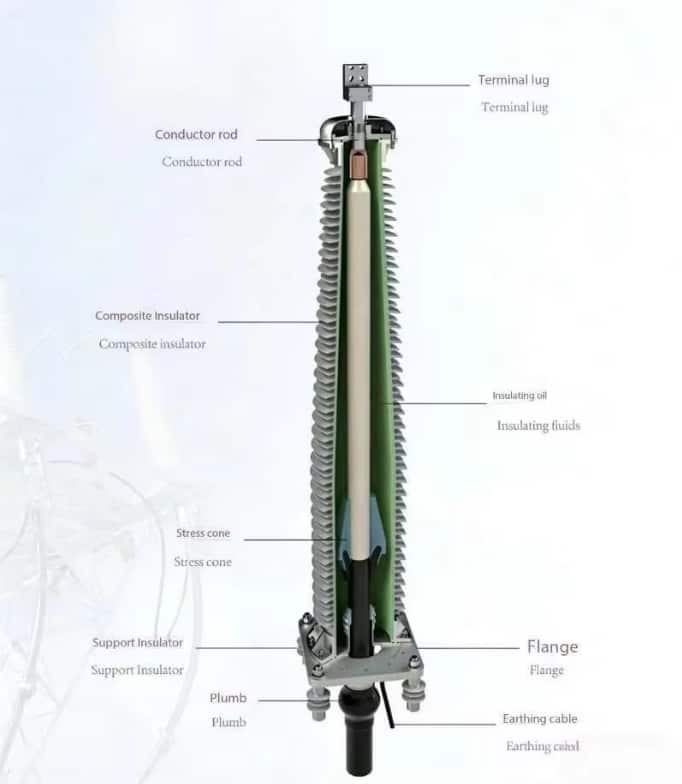
전형적인 145kV composite cable termination consists of:
- Composite insulating housing
- Silicone rubber sheds
- FRP insulating rod or core
- Stress-control components
- Conductor connector
- 씰링 시스템
- Grounding arrangement
- Metallic mounting flange
Compared with porcelain, composite insulation is significantly lighter.
This provides practical advantages during transportation, installation and maintenance. The lower weight can also simplify the design of the supporting structure.
Another important advantage is impact resistance. Composite materials are generally less susceptible to brittle fracture than porcelain.
이러한 이유로, 145kV outdoor cable termination systems using composite insulation are increasingly attractive for modern substations and transmission projects.
Composite terminations are particularly useful when the project requires reduced equipment weight, easier installation or improved resistance to mechanical impact.

3. Dry-Type Outdoor Termination
The third type is the Dry-Type Outdoor Termination.
A dry-type termination is designed without the use of liquid or oil as the primary external insulation medium. 대신에, the electrical insulation and stress-control functions are achieved using solid or elastomeric insulating materials and a specially designed electric-field-control structure.
용어 “dry-type” is important because it distinguishes this technology from older termination designs that may use insulating oil or other liquid media.
A typical dry-type termination can incorporate:
- Prefabricated insulation body
- Silicone rubber insulation
- Stress-control components
- Conductor connector
- 씰링 시스템
- Outdoor weather sheds
- Grounding components
The main advantage of a 145kV dry-type cable termination is the absence of liquid insulation.
This can simplify transportation, installation and maintenance while eliminating concerns associated with liquid leakage.
Dry-type technology can also provide a compact and clean solution for modern high-voltage installations.
For projects where environmental protection, simplified maintenance and reduced installation complexity are important, a dry-type outdoor termination can be an attractive option.

Comparison of the Three Types
The three types of 145kV Cable Outdoor Termination have different characteristics.
| 유형 | Main Insulation | 무게 | 기계적 강도 | 유지 | Typical Advantage |
|---|---|---|---|---|---|
| Porcelain | Porcelain | 무거운 | High but brittle | 낮은 | Traditional, proven technology |
| Composite | 실리콘 고무 + composite core | 빛 | High impact resistance | 낮은 | Lightweight and pollution resistant |
| Dry-Type | Solid/elastomeric insulation | Generally light | 좋은 | 매우 낮음 | No liquid insulation |
The choice should not be based only on the initial purchase price.
Project engineers should also consider transportation, lifting, installation time, environmental conditions, maintenance requirements and expected service life.

Electric Field Control in a 145kV Cable Termination
Regardless of the external insulation type, electric-field control is fundamental to the performance of a 145kV high voltage cable termination.
The stress-control system manages the electrical stress at the end of the cable insulation screen.
A properly designed termination should prevent excessive electric-field concentration and maintain stable insulation performance under normal operating voltage and specified overvoltage conditions.
This is especially important for 145kV XLPE cables because defects in the stress-control region can have a significant effect on the long-term reliability of the cable system.
Outdoor Environmental Performance
Outdoor terminations are exposed to environmental conditions throughout their service life.
The design should consider:
- Rain
- 습기
- 자외선
- Salt contamination
- Industrial pollution
- Dust
- Snow and ice
- Wind
- Temperature variations
이러한 이유로, creepage distance is another important design parameter.
In heavily polluted or coastal areas, the required creepage distance may be greater than that required for a clean environment.
Composite and silicone-rubber outdoor terminations can offer particular advantages in contaminated environments because of the hydrophobic properties of silicone rubber.

Testing Requirements
ㅏ 145kV 케이블 종단 must undergo appropriate testing according to the applicable standard and project specification.
Typical tests may include:
- 부분 방전 테스트
- AC 내전압 테스트
- 번개 임펄스 테스트
- Temperature-related tests
- Sealing tests
- Mechanical tests
- Environmental tests
- Visual and dimensional inspection
The exact test voltage and test sequence should be determined according to the cable system’s rated voltage, 절연 수준, applicable IEC requirements and customer specification.
Testing should evaluate the complete cable accessory system rather than considering the external termination housing alone.
How to Select the Right 145kV Outdoor Termination
Before selecting a 145kV outdoor cable termination, the following information should be confirmed:
- Cable rated voltage
- 도체 재료
- Conductor cross-sectional area
- 코어 수
- Cable outside diameter
- XLPE 단열재 두께
- Insulation screen construction
- Metallic sheath or screen
- Cable bonding method
- 설치환경
- 오염 수준
- Required creepage distance
- Connection equipment
- Applicable standards
- Required electrical tests
The cable manufacturer’s dimensions are particularly important because different cable constructions may require different termination dimensions.

145kV Cable Outdoor Termination Manufacturer
경험자 선택 145kV cable termination manufacturer is essential for high-voltage projects.
A professional manufacturer should be able to provide termination drawings, 기술 사양, installation instructions, test documentation and cable compatibility information.
Dosense Cable provides high-voltage cable accessories and customized cable termination solutions for power transmission and distribution applications.
에 대한 145kV Cable Outdoor Termination, 두 개의 케이블 can develop solutions based on the customer’s cable construction, 도체 크기, 단열재 두께, cable diameter, installation environment and required electrical performance.
프로젝트에 필요한지 여부 porcelain outdoor termination, composite outdoor termination 또는 dry-type outdoor termination, the correct solution should be selected according to the complete cable system and actual operating conditions.
A properly engineered 145kV outdoor termination provides reliable electric-field control, outdoor insulation, moisture protection and long-term service performance, helping ensure the safe and stable operation of high-voltage cable networks.