
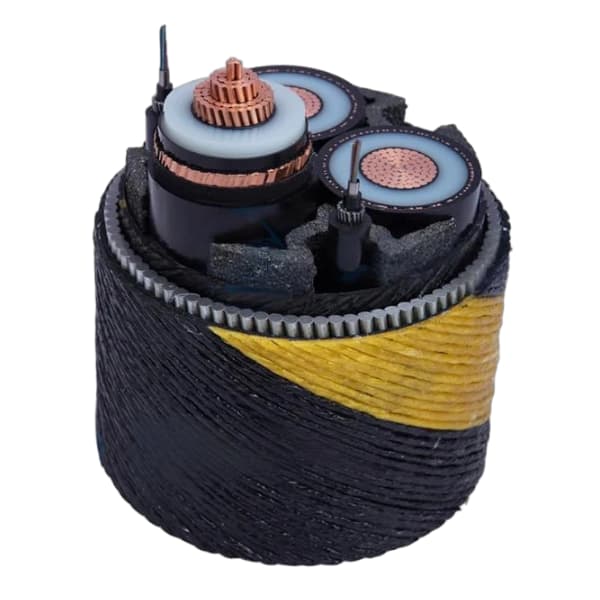
Submarine cables are the hidden infrastructure behind the internet, global communication, and offshore energy systems. This guide explains clearly what submarine cables are, how they work, and why they are essential in today’s world.
⚡ Quick Answer
MỘT cáp ngầm is a specially designed cable laid on the seabed to transmit electric power or data signals between two land locations. These cables are built to operate reliably under extreme underwater conditions such as high pressure, ăn mòn nước mặn, and mechanical impact.
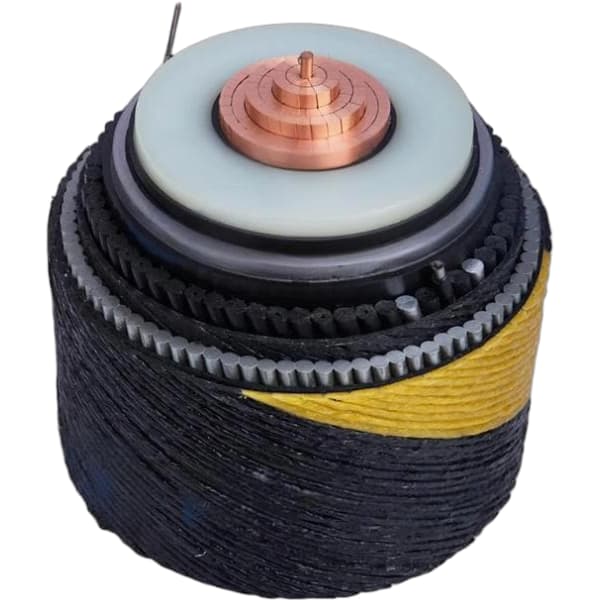
🌍 Why Submarine Cables Matter
Submarine cables form the backbone of modern global infrastructure.
- Qua 95% of international data traffic is carried by submarine fiber optic cables
- Trang trại gió ngoài khơi phụ thuộc vào cáp điện ngầm để kết nối lưới điện
- Doanh nghiệp toàn cầu, điện toán đám mây, và phát trực tuyến dựa vào kết nối ổn định dưới biển
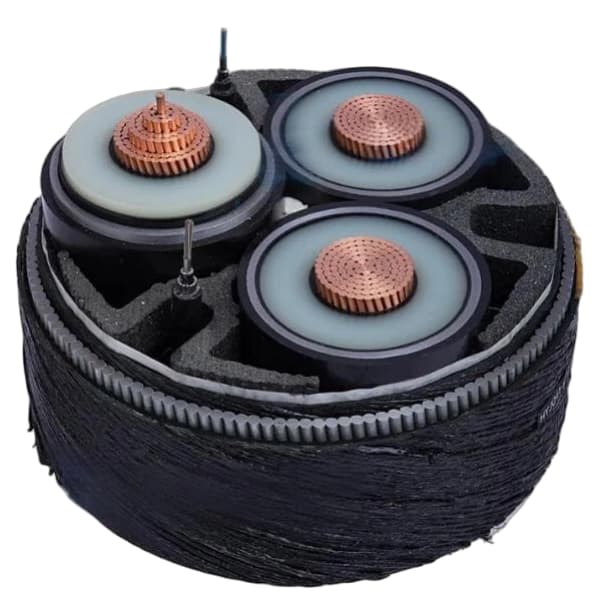
🧩 Cấu tạo của cáp ngầm
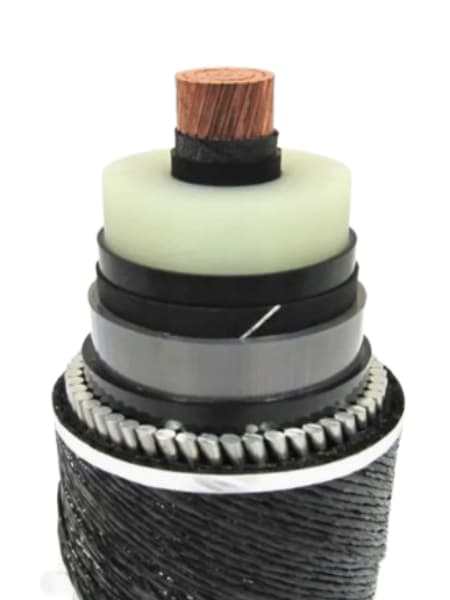
Cáp ngầm là một hệ thống được thiết kế nhiều lớp được thiết kế để đảm bảo độ bền và hiệu suất.
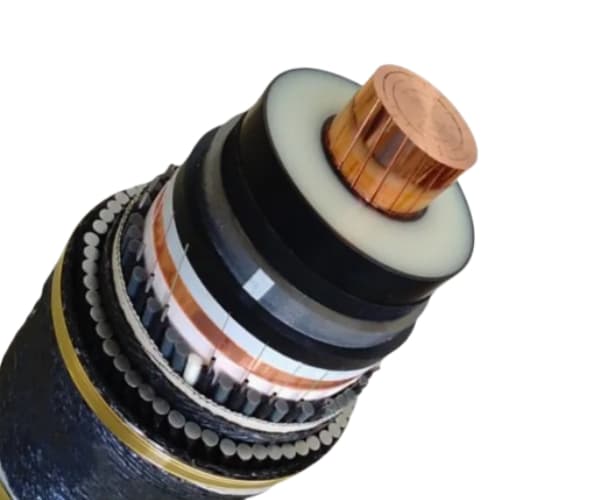
Cấu trúc điển hình (từ trong ra ngoài):
- Cốt lõi (sợi quang hoặc dây dẫn đồng/nhôm)
- Lớp cách nhiệt (XLPE hoặc EPR)
- Che chắn kim loại
- bọc thép (dây thép để bảo vệ)
- Vỏ ngoài (vật liệu chống ăn mòn)
Mỗi lớp phục vụ một mục đích cụ thể, đảm bảo tuyến cáp có thể hoạt động an toàn hàng chục năm dưới biển.
🔍 Các loại cáp ngầm
1. Cáp ngầm sợi quang
Những cáp này truyền dữ liệu bằng tín hiệu ánh sáng và tạo thành xương sống của truyền thông toàn cầu.
Ứng dụng:
- Lưu lượng truy cập internet quốc tế
- Mạng viễn thông
- Kết nối trung tâm dữ liệu
Đặc trưng:
- Băng thông cao
- Độ trễ thấp
- Khả năng truyền dẫn đường dài
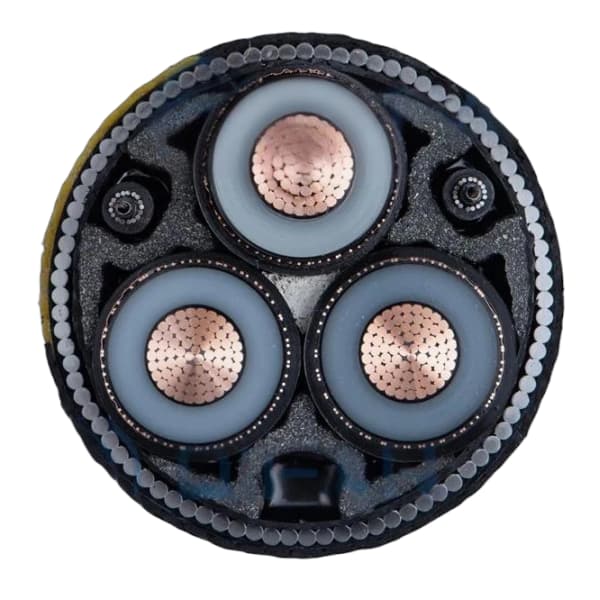
2. Cáp điện tàu ngầm
These cables transmit electrical energy across water bodies.
Ứng dụng:
- Trang trại gió ngoài khơi
- Đảo cung cấp điện
- Truyền tải điện xuyên biên giới
Voltage levels:
- Điện áp trung thế (1kV–35kV)
- High voltage (35kV–220kV)
- HVDC systems for long-distance transmission
3. Hybrid Submarine Cable
Hybrid cables combine power transmission and communication functions in one system. They are commonly used in offshore oil, khí đốt, and renewable energy projects.
⚖️ Power Cable vs Fiber Optic Cable
| Aspect | Cáp điện | Fiber Optic Cable |
|---|---|---|
| Chức năng | Transmit electricity | Transmit data |
| Vật liệu cốt lõi | đồng / Nhôm | Glass fiber |
| Signal Type | Electrical | Optical |
| Typical Use | Energy systems | Internet & viễn thông |
⚙️ How Submarine Cables Work
Truyền dữ liệu (Fiber Optic)
- Data is converted into light signals
- Light travels through optical fibers
- Repeaters amplify signals every 50–100 km
Power Transmission
- Electricity flows through conductors
- Insulation prevents leakage
- Shielding stabilizes the electric field
🚢 Installation Process
Việc lắp đặt cáp ngầm cần có thiết bị chuyên dụng và lập kế hoạch chính xác.
Các bước chính:
- Khảo sát tuyến đường và phân tích đáy biển
- Sản xuất và thử nghiệm cáp
- Triển khai bằng tàu rải cáp
- Chôn cất ở vùng nước nông để bảo vệ
- Thử nghiệm cuối cùng và vận hành
Ở vùng biển sâu, cáp thường được đặt trực tiếp dưới đáy biển.
🛠️ Ưu điểm
- Tuổi thọ dài (thường là 20–40 năm)
- Khả năng truyền tải cao
- Hiệu suất đáng tin cậy
- Độ trễ thấp hơn so với hệ thống vệ tinh
⚠️ Thử thách
- Tiếp xúc với môi trường biển khắc nghiệt
- Nguy cơ hư hỏng do neo và ngư cụ
- Chi phí lắp đặt và sửa chữa cao
- Hoạt động bảo trì phức tạp
🔧 Bảo trì và sửa chữa
Khi xảy ra lỗi:
- Phần hư hỏng được định vị bằng hệ thống giám sát
- Tàu sửa chữa đang lấy cáp
- Cáp bị cắt, sửa chữa, và kết nối lại
- It is then placed back onto the seabed
📈 Future Development
Submarine cable technology continues to evolve to meet growing global demand.
- Higher capacity fiber optic systems
- Expansion of long-distance HVDC power transmission
- Integration with offshore renewable energy
- Intelligent monitoring systems for fault detection
💡 Final Perspective
Submarine cables are a critical part of modern infrastructure, enabling global communication and energy transmission beneath the ocean. Their reliability, hiệu quả, and capacity make them indispensable in an increasingly connected world.